The first move when you see 44°F
- No. A refrigerator holding food should stay at 40°F or below. A measured 44°F is too warm.
- Check the compartment with a separate appliance thermometer before changing the control.
- Discard food past its use-by date and any food you're unsure about.
- Make a small colder adjustment, then recheck after about 24 hours.
That number might be on the controls, or it might come from a thermometer beside your groceries. We'd check the compartment with a separate appliance thermometer first, because few refrigerator controls show the actual temperature. You'll then have a reading you can compare with the 40°F food-storage limit.
Handle the food now, then work on the setting. A control change needs about 24 hours before you can judge its result, while fresh food can spoil during warm storage. You can check the door and make room for airflow as you work toward a colder reading.
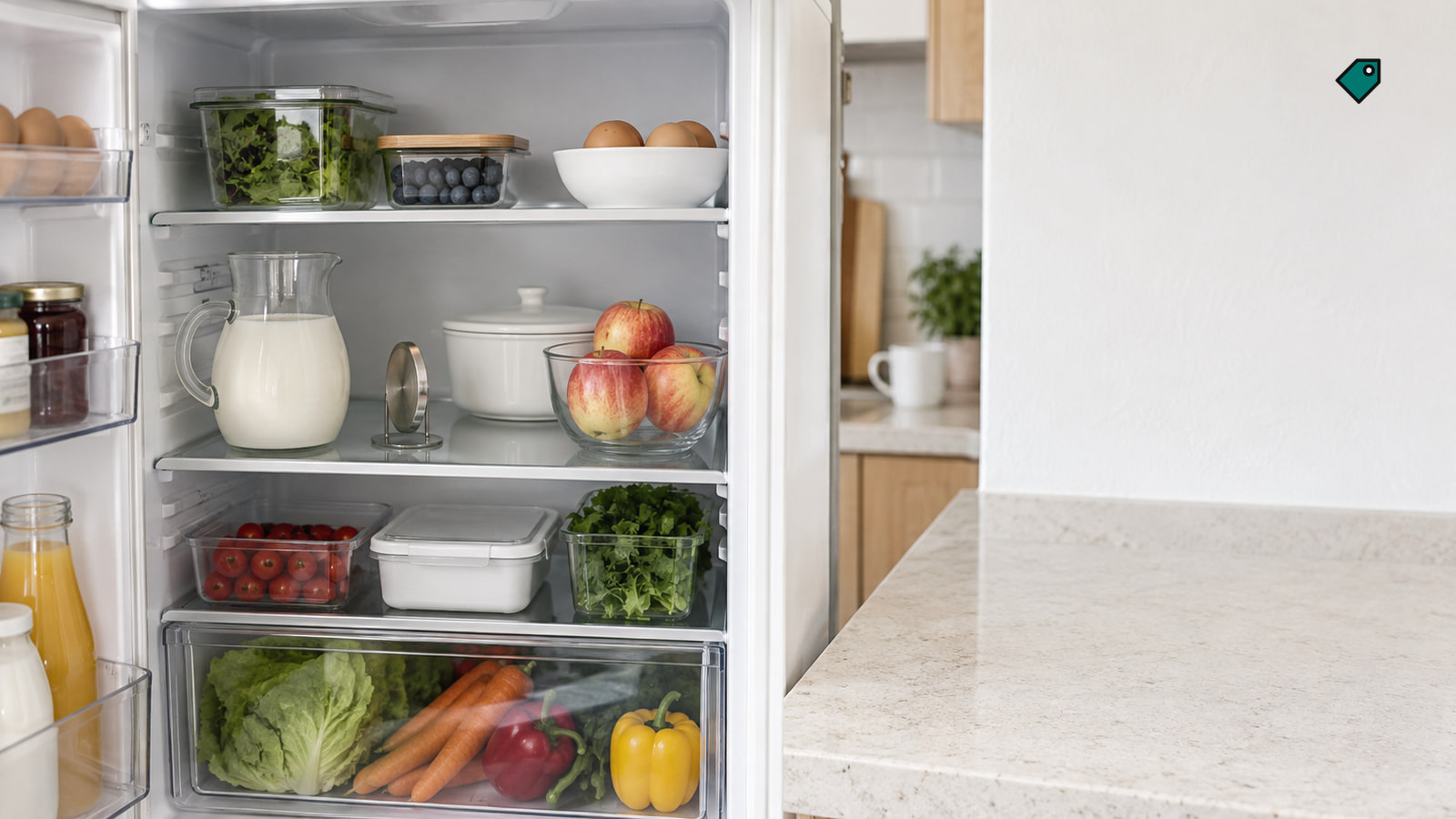
Decide what to do with the food now
Go through the food in the refrigerator before waiting for a new temperature reading. Discard anything past its use-by date. If you're unsure about an item or it looks questionable, discard it too. The food-storage advice (opens in a new tab) is useful while you're making those decisions.
Warm storage deserves attention because fresh foods can spoil when exposed to temperatures above 40°F. Keep the food decision separate from the appliance adjustment: turning the control colder addresses the refrigerator's temperature, while the use-by date and any doubt about an item call for a decision now.
Find out what the 44°F number measures
Some modern refrigerators have built-in thermometers that show the current temperature. Many controls don't show the actual temperature inside, though, so check your model's instructions to learn what its number represents. Use a separate appliance thermometer to verify the compartment reading, even if you can also see a number on the door.
Put the appliance thermometer where you can read it regularly. Bosch recommends placing the thermometer in the center of the compartment, away from the door, for a more accurate reading. A reading taken near the door may be warmer, so placement matters when you're checking whether a 44°F reading holds.
Note what the thermometer reads before you change the setting. That gives you a measured starting point to compare with the reading after the refrigerator has had time to respond. Close the door properly after checking, since frequent openings can make the temperature fluctuate.
Choose a target for what you store
For a refrigerator holding food, about 37°F is a useful setting target. The measured compartment temperature still needs to stay at or below 40°F. Temperatures below 33°F may freeze food, so pushing the control much colder than needed creates another problem.
Bosch cites a US Department of Energy recommendation of 35°F to 38°F for refrigerators. Start with the temperature recommended for your own refrigerator, then use the appliance thermometer to see how that setting performs. The number you choose on the control and the temperature you measure inside serve different jobs.
A refrigerator used strictly for soda and wine allows more flexibility in its storage temperature. If you also keep fresh food in it, follow the food-storage limit of 40°F or below. Our guide to the proper refrigerator temperature goes further into choosing and checking an everyday setting.
Check the door and the room around the fridge
Start with what you can see without moving the appliance. Make sure the door closes properly after each use, then limit repeated openings while you check the temperature. Opening the door frequently can cause fluctuations, especially when the surrounding room is hot.
The room around the refrigerator matters too. In a garage or basement, humidity and outside temperatures may affect the setting needed to keep the compartment cold. Check that the room conditions suit your refrigerator, and judge any setting change by the temperature measured inside it.
A door that was opened repeatedly and a control set too warm are different things to check. Confirm the door is shut, then compare the appliance thermometer with the setting you chose. That gives you a reason to change the control if the compartment remains above the food-storage limit.
Give cold air a clear path
Look inside for food or containers pressed against the air vents. Large containers, vegetable bags and items pushed too far back can get in the way. Move anything blocking a vent so cold air can circulate through the compartment.
Leave space between items as you put them back. Overpacking restricts the airflow that keeps refrigerated food chilled, and clearing a vent works best when stored food stays clear of it. If crowded shelves keep causing trouble, organizing your refrigerator can help you make space.
Check the visible vents again after rearranging the food. You want open space around them and a door that closes properly with everything back inside. Those are useful checks to finish before judging whether a colder control setting has worked.
Adjust the control and check the result
Use your refrigerator's instructions to find and change its temperature control. It may use a dial, arrows, degrees or numbered settings, and control locations vary. Choose a colder setting with a small change, using the model's instructions for the direction that makes it colder.
If the refrigerator and freezer have separate controls, check that you're changing the refrigerator setting. Then leave at least 24 hours before judging the result or making another change. A refrigerator may take that time to cool after a thermostat adjustment.
After about 24 hours, read the separate thermometer inside the refrigerator. If it remains above 40°F, use your model's control instructions for another small change and allow at least 24 hours before checking that change. Continue handling any questionable food by the food decision above while the appliance temperature is being corrected.
The compartment stays too warm
If the measured temperature remains above 40°F after the adjustment interval and the visible checks, follow the troubleshooting guidance for your particular model. Its controls and additional checks may differ from another refrigerator's. Keep the appliance thermometer in place so you can tell whether those steps improve the compartment temperature.
If cooling is still inadequate after those checks, contact appliance service. On Whirlpool refrigerators, persistent poor cooling can involve internal parts such as a fan, compressor or start relay. Leave repair or replacement of those parts to a professional, and tell the service provider the measured temperature and what you checked.
For more observable checks before that handoff, use our guide to a refrigerator that isn't cooling. Keep making food decisions as items come into question while you wait for the refrigerator to reach a suitable storage temperature.
Keep checking the temperature you measure
The result to look for is a measured compartment temperature at or below 40°F after the refrigerator has had time to respond to the adjustment. A setting chosen on the control is only part of that check; the appliance thermometer shows you the temperature inside.
Leave the thermometer somewhere visible and check it often as you keep using the refrigerator. If you change the setting again, allow about 24 hours before judging the new reading. That routine lets you keep the measured temperature in view as room conditions and daily use change.
More in this category