Where the moisture comes from
- Measure indoor humidity first, then reduce moisture sources and vent steam outdoors.
- Use a dehumidifier or air conditioning when you need more moisture removal.
- If the basement is the damp spot, look for leaks and rain-related puddles before choosing equipment.
Steam from dinner and water seeping through a basement floor both add moisture, but they need different responses. We'd measure first and check the sources before buying equipment, because removing moisture from the air works best alongside controlling what's adding it.
Cooking, showers and indoor laundry drying release moisture into your home. Inadequate ventilation lets it build up, while leaks and humid outdoor air can add more. Homes with unusually high humidity often have several sources, so a useful approach combines changes to your routines with a way for moisture to leave.
Your climate, construction and weatherization affect which remedies work. Cooling performance matters too: an air conditioner that cools the house too quickly may stop before it has run long enough to remove excess moisture.
Put a number on the damp feeling
Use a humidity indicator, or hygrometer, to measure relative humidity. Check different areas of your home to see whether you're dealing with one damp room or moisture throughout the house. That distinction helps you choose between local and whole-home moisture control.
American Standard reports EPA guidance recommending 30% to 50% indoor humidity and treating 60% as too high. Use that recommended range as your general goal. Readings of 63% or 70% are above it, even if the room's temperature feels comfortable.
Home-Wizard offers different, summer-specific advice: stay below 60%, or below 50% if dust mites are a concern. We'd aim for the lower general range because mold, mildew and dust mites can thrive at 60% and above.
Look for changes around the house as well as changes on the display. Sticky air, peeling paint and sticking interior doors can accompany high humidity. Excess moisture can also make wood swell or rot and metal components corrode, so controlling it protects more than your comfort.
Make less moisture during daily routines
Take shorter or cooler showers to reduce the moisture you release into the bathroom. Cover pots while cooking, especially when you're boiling or steaming food. Both changes reduce moisture at the activity that's producing it.
Dry clothing outside when possible. Indoor drying adds moisture to the house, increasing what your ventilation or humidity-control equipment has to remove. Moving that drying outdoors tackles the source without adding another appliance.
If you notice moisture collecting on windows or other surfaces, turn off moisture-producing appliances such as humidifiers or kerosene heaters. Condensation is a reason to stop adding water to the air. Prolonged excess humidity can damage walls, particularly when outdoor temperatures are very low.
Give steam a route outdoors
Run your bathroom exhaust fan during and after showers, and run the kitchen exhaust while cooking. Exhausting steam where it's produced helps it escape before it accumulates or spreads through the house.
Bathroom and kitchen exhaust must discharge outdoors, not into the attic. Your clothes dryer must also vent outdoors. Moving moisture into another part of the building leaves it inside the home.
Open windows for ventilation when outdoor humidity is lower. When conditions suit it, opening windows on opposite sides of the house creates cross-ventilation. Outdoor conditions matter here: humid summer air entering the house can add to the moisture you're trying to remove.
A damp basement needs a water check
Check visible pipes and the areas around tubs and sinks for leaks. If the basement is the only damp area, look for cracks in its walls or floor and watch for puddles when it rains. Those observations point toward water entering the building as a moisture source.
Outside, notice whether water flows toward the house and whether gutters and downspouts direct it away from the foundation. Missing gutters and poor drainage can contribute to basement water. Avoid overwatering nearby plantings, and keep lawn sprinklers from aiming at the house.
Mildew or mold growth is another warning sign. Persistent musty smells can point to mold or mildew, especially where ventilation is limited. Visible black, white or green spots on walls, ceilings, fabrics or window frames indicate excess moisture.
Cooling and drying need to work together
Air passing over your AC's evaporator coil loses moisture while the system cools your home. A heat pump also removes moisture when it's operating in cooling mode. That makes cooling one useful way to lower humidity during warm weather.
The system's size affects how well that works. An oversized unit can cool the house without running long enough to dehumidify properly. An undersized unit can run continuously and still struggle to deliver a comfortable temperature and controlled humidity.
Schedule regular HVAC maintenance to support effective airflow and moisture removal. Watch temperature and humidity separately: the thermostat tells you about cooling, while your hygrometer shows whether moisture is coming down too.
Choose moisture removal for a room or the house
A portable dehumidifier can help in a damp basement, laundry room or another localized area. A whole-home dehumidifier integrates with your HVAC system to control moisture throughout the house. Match the approach to where you need moisture removal.
Lennox recommends adding a dehumidifier if readings stay above 60%, you smell mustiness or you see condensation. If those conditions describe your home, consider extra moisture removal while continuing to aim for the recommended range.
If your AC is single-stage and doesn't remove enough humidity during summer, American Standard recommends considering a whole-house dehumidifier. The added equipment removes moisture throughout the home when cooling alone isn't getting the humidity under control.
Choose equipment that fits your home's size and needs, and have your HVAC contractor confirm compatibility before choosing an integrated unit. That's also the advice Thiele Heating & Air Conditioning gives its Indianapolis-area customers, with compatibility checked to help optimize performance.
Help air and heat reach cold corners
Open interior doors so air can circulate between rooms, including closet doors where the closet is colder than the adjoining room. Use fans and move furniture away from wall corners to let air and heat reach those spaces.
That circulation carries heat to cold surfaces where moisture can condense. It also helps HVAC systems and dehumidifiers work more effectively. Pair air movement with a source of fresh air and a way to expel excess moisture from the house.
Cold weather can make condensation especially visible on window glass. As air cools, it can hold less moisture, and water collects on cold surfaces. A tightly weatherized home can also retain more indoor moisture, which is why winter dampness still calls for attention to the moisture you're producing inside.
Watch the readings as conditions change
Keep checking your hygrometer after changing your routines or using moisture-control equipment. Compare the readings with your goal and adjust your humidity-control devices accordingly. You're looking for humidity to stay within the recommended range, alongside improved comfort.
Continue monitoring as the seasons change. Warm summer conditions may call for more dehumidification, and a setting that suited earlier weather may need adjustment. Let the current readings guide those changes.
More in this category
Take a closer look
How to Install a Window Air Conditioner and Keep It Level
Honeywell Thermostat Not Working? What to Check First
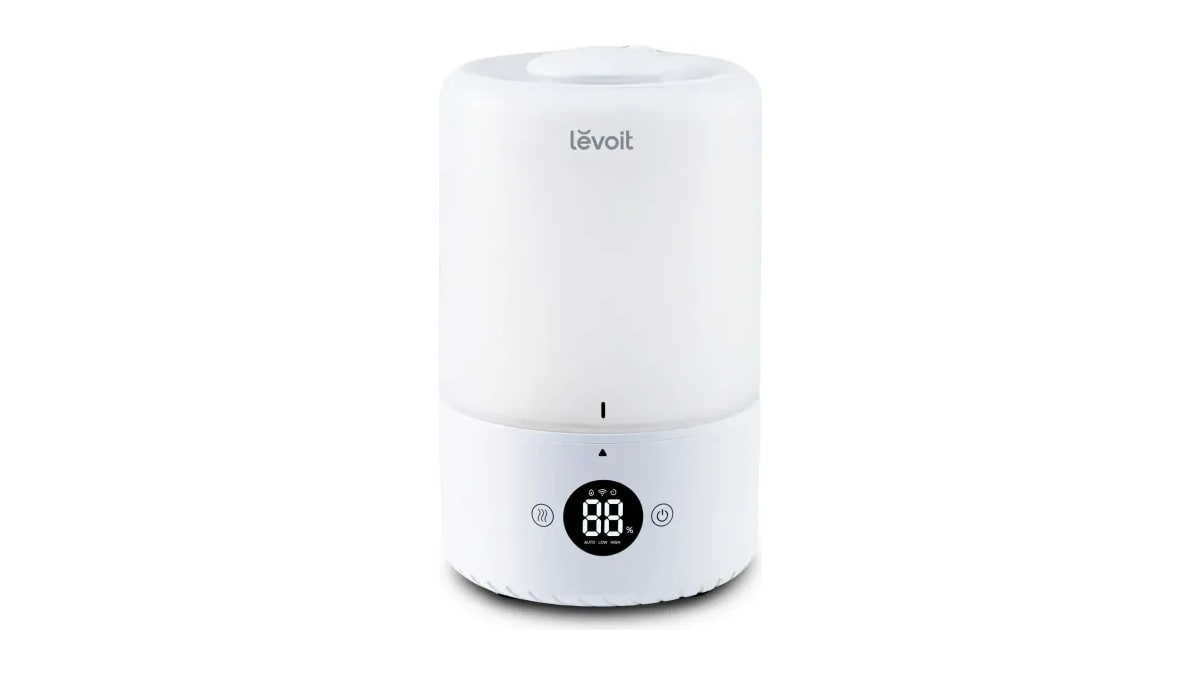
6 Humidifiers That You Can Refill From Above
- How to Bleed a Radiator and Know When to Close the Valve
- Heat Pump Is Not Heating? What to Check Before You Call
- How to Snake a Toilet and Clear the Clog Safely
- What Is a Swamp Cooler? How It Cools Dry Air
- How to Test for Radon and What Your Result Means
- How to Get Rid of Smell in Refrigerator and What to Check
- How Do You Preheat an Oven and Know When It's Ready?